A Beginner's Guide to Red Light Therapy: What to Expect


What is Red Light Therapy?
Red light therapy (RLT) is a non-invasive treatment that uses low-level wavelengths of red light to treat various skin and health issues. It's gaining popularity due to its potential benefits, such as improving skin health and reducing inflammation. The therapy works by stimulating the mitochondria in your cells, enhancing their function and energy production.
Originally developed by NASA for plant growth experiments in space, RLT has found its way into the wellness and beauty industries. Today, it’s used in a variety of settings, from medical clinics to home devices, offering a holistic approach to healing and rejuvenation.
How Does Red Light Therapy Work?
Red light therapy involves exposing the body to low levels of red or near-infrared light. Unlike ultraviolet (UV) rays from the sun, which can damage skin, red light and near-infrared light are believed to penetrate the skin without causing harm. This penetration is thought to enhance cellular activity, leading to a range of therapeutic effects.
When the light is absorbed by the skin, it interacts with the cells’ mitochondria, often described as the "powerhouses" of the cells. This interaction is believed to boost the production of adenosine triphosphate (ATP), which provides energy to cellular processes, potentially improving cellular repair and regeneration.
Benefits of Red Light Therapy
There are several potential benefits associated with red light therapy. Some of these include:
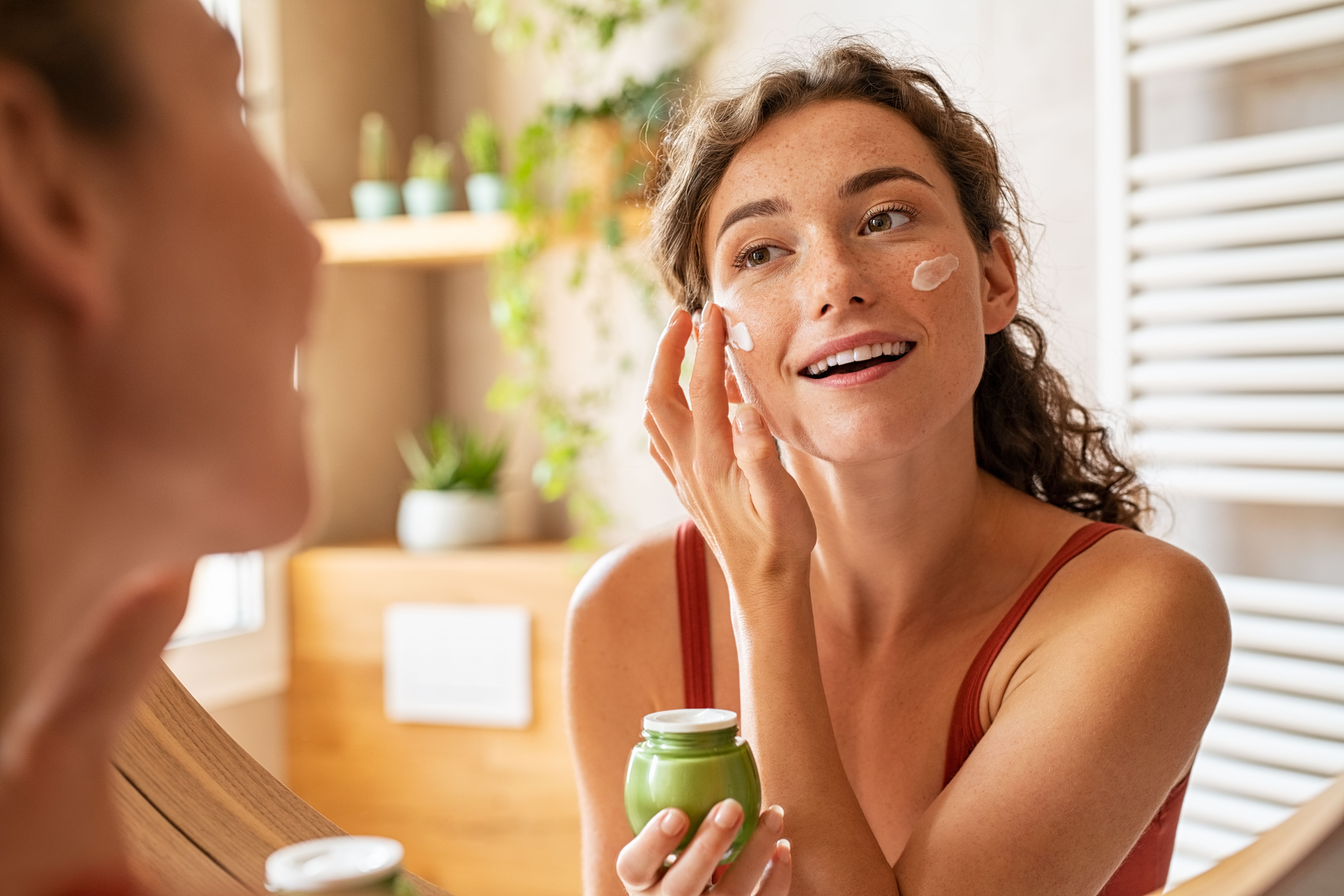
- Skin Health: Many users report improvements in skin tone, texture, and the reduction of fine lines and wrinkles.
- Pain and Inflammation: RLT may help alleviate pain and reduce inflammation in joints and muscles.
- Wound Healing: Some studies suggest that red light therapy can speed up the healing process for wounds.
It’s important to note that while many people experience positive outcomes, results can vary depending on individual circumstances and the specific conditions being treated.
What to Expect During a Session
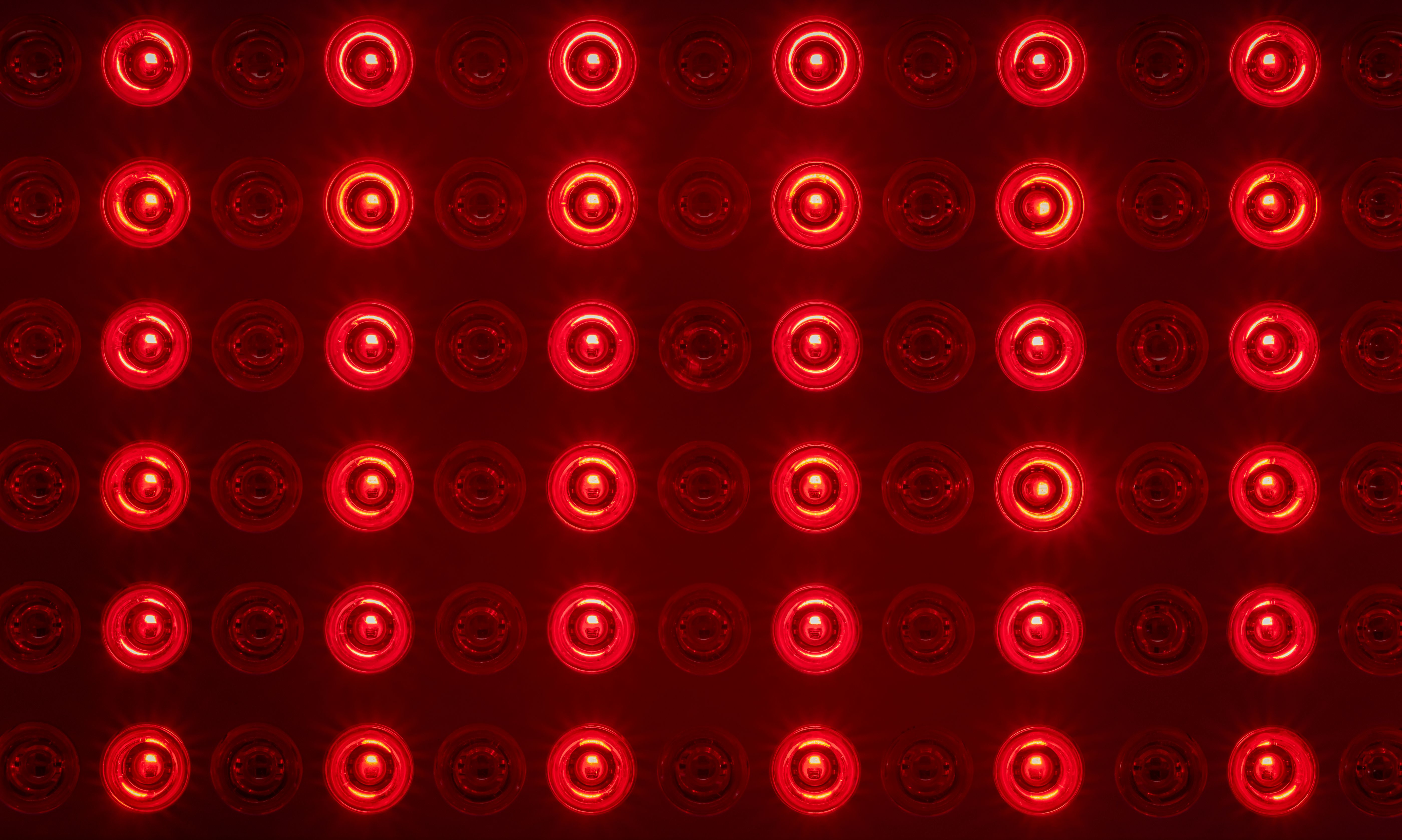
Red light therapy is typically a painless and straightforward process. During a session, you'll be exposed to a lamp, device, or bed that emits the red or near-infrared light. Sessions can last anywhere from a few minutes to about 20 minutes, depending on the device and the area being treated.
Many users find the process relaxing and report a feeling of warmth from the light. It’s advised to follow the manufacturer’s guidelines or consult with a healthcare provider to determine the appropriate duration and frequency of sessions for your needs.
Are There Any Side Effects?
Red light therapy is generally considered safe when used appropriately. However, it's essential to use the therapy as directed to avoid potential risks, such as eye strain from prolonged exposure to the light. Protective eyewear is often recommended during sessions.

As with any treatment, it’s wise to discuss red light therapy with a healthcare professional, especially if you have underlying health conditions or are taking medications that increase light sensitivity.
Getting Started with Red Light Therapy
If you're interested in trying red light therapy, consider the following steps:
- Research devices and options available, whether for home use or at a professional clinic.
- Consult with a healthcare provider or dermatologist to discuss your goals and any potential concerns.
- Start with shorter sessions and gradually increase as recommended.
By understanding what to expect and how to use red light therapy effectively, you can make informed decisions about incorporating this treatment into your wellness routine.