
Debunking Common Myths About Cupping Therapy


Understanding Cupping Therapy
Cupping therapy is an ancient practice that has gained popularity in recent years, often seen in wellness circles and even among athletes. Despite its growing acceptance, several myths and misconceptions persist about this intriguing therapy. In this post, we'll debunk some of the most common myths about cupping therapy.
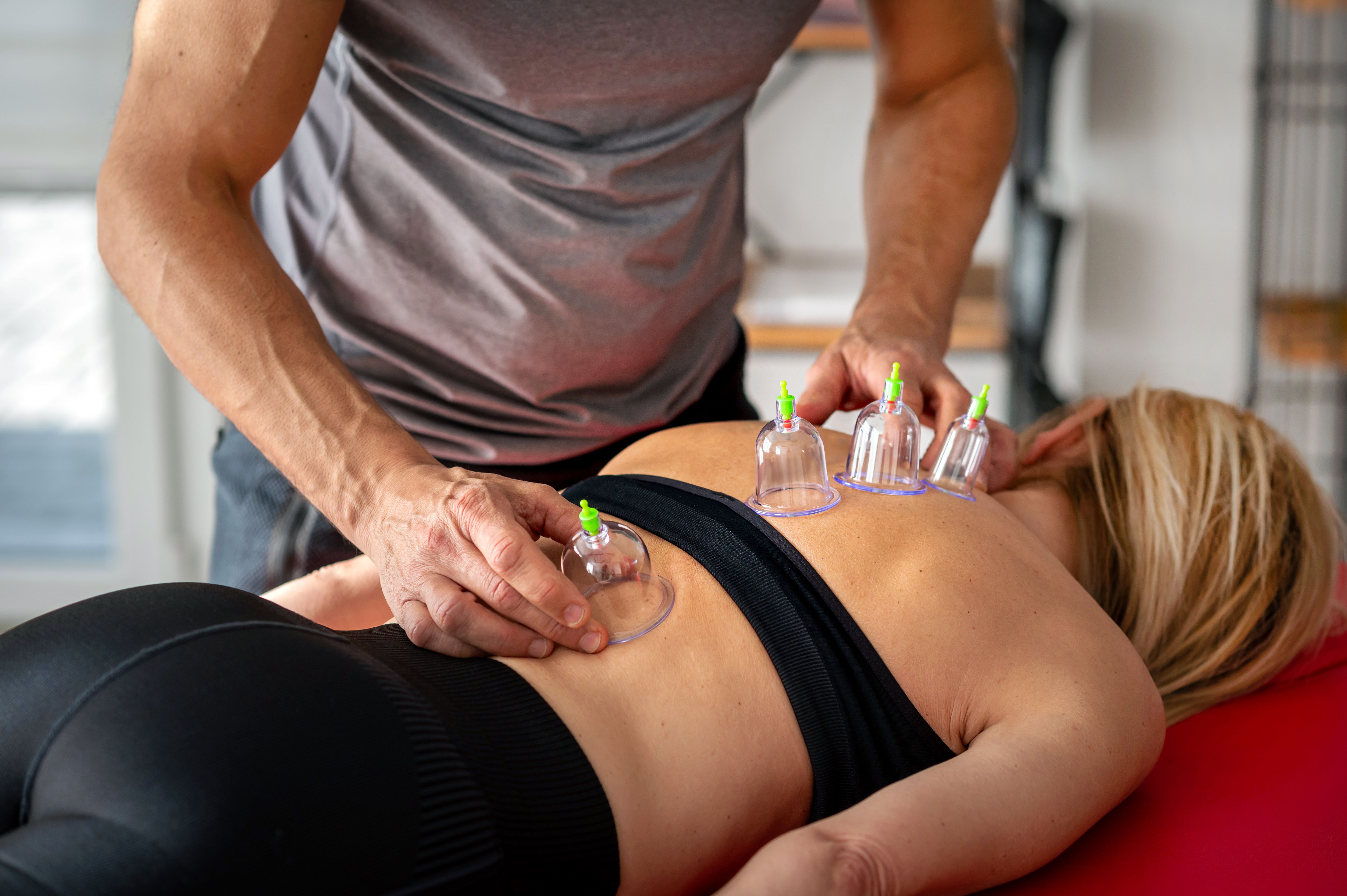
Myth 1: Cupping is Painful
One widespread myth about cupping therapy is that it's a painful procedure. The truth is, while the sensation can be unusual, most people describe it as relaxing rather than painful. The suction created by the cups can feel like a gentle tugging on the skin, which many find soothing.
For those who are concerned about discomfort, it's important to communicate with a qualified practitioner. They can adjust the suction level to ensure a comfortable experience. Remember, the goal of cupping is to promote relaxation and healing, not to cause pain.
Myth 2: Cupping Leaves Permanent Marks
Another common misconception is that cupping leaves permanent marks. While cupping often results in circular marks on the skin, these are temporary and typically fade within a week or so. The marks are simply a result of increased blood flow to the area and are not a sign of injury.
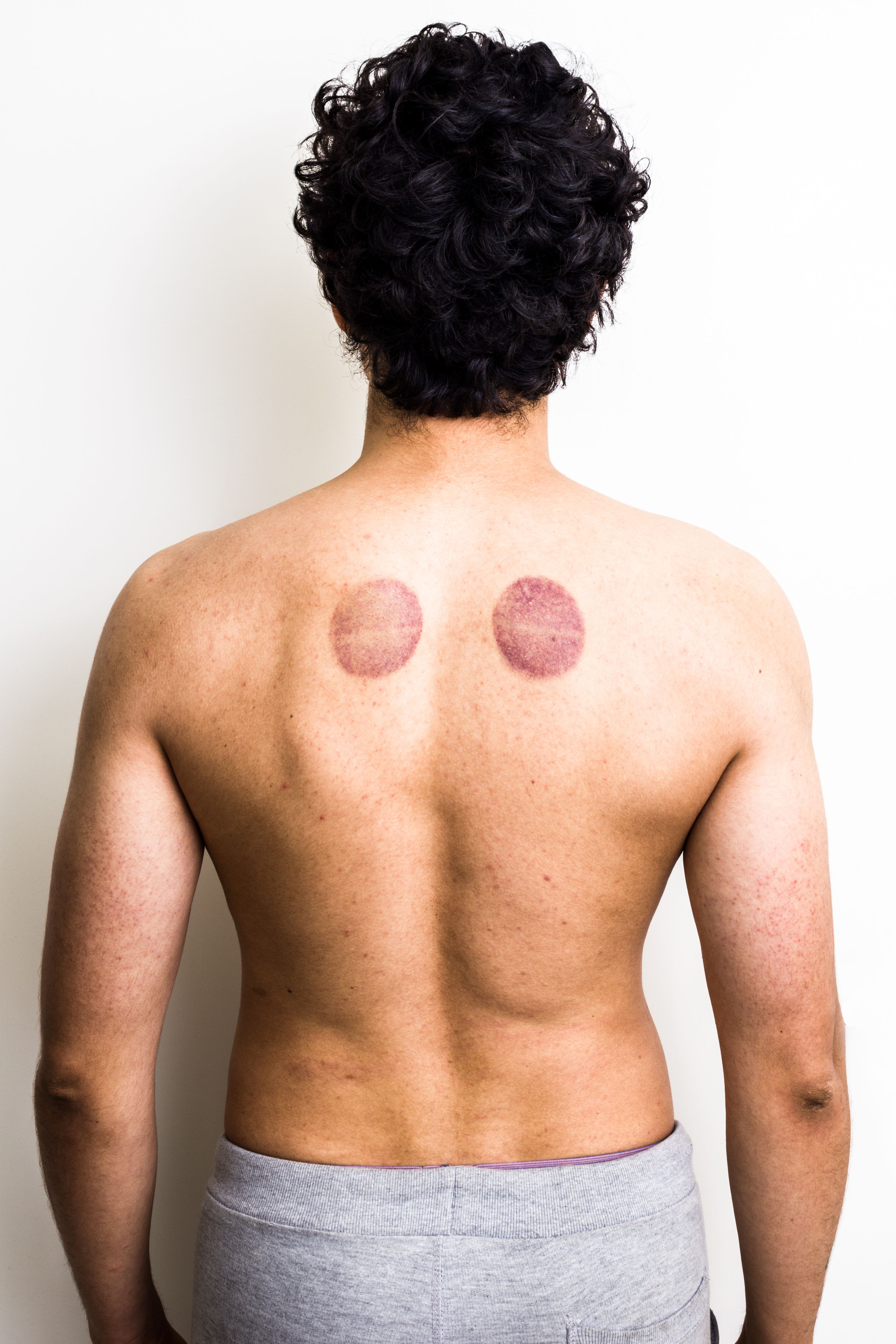
It's essential to differentiate between these marks and bruises. Bruises are caused by trauma, whereas cupping marks are a natural, harmless reaction to the therapy. The color and duration of the marks can vary depending on individual skin types and the intensity of the session.
Myth 3: Cupping is Only for Athletes
While many athletes use cupping to aid recovery and enhance performance, the therapy is not exclusively for them. People from all walks of life can benefit from cupping, whether they seek relief from chronic pain, stress reduction, or improved circulation.
Cupping can be tailored to individual needs, making it accessible and beneficial for a wide range of people. Whether you're an office worker with back pain or someone dealing with anxiety, cupping might offer the relief you're looking for.
Myth 4: Cupping is a New Fad
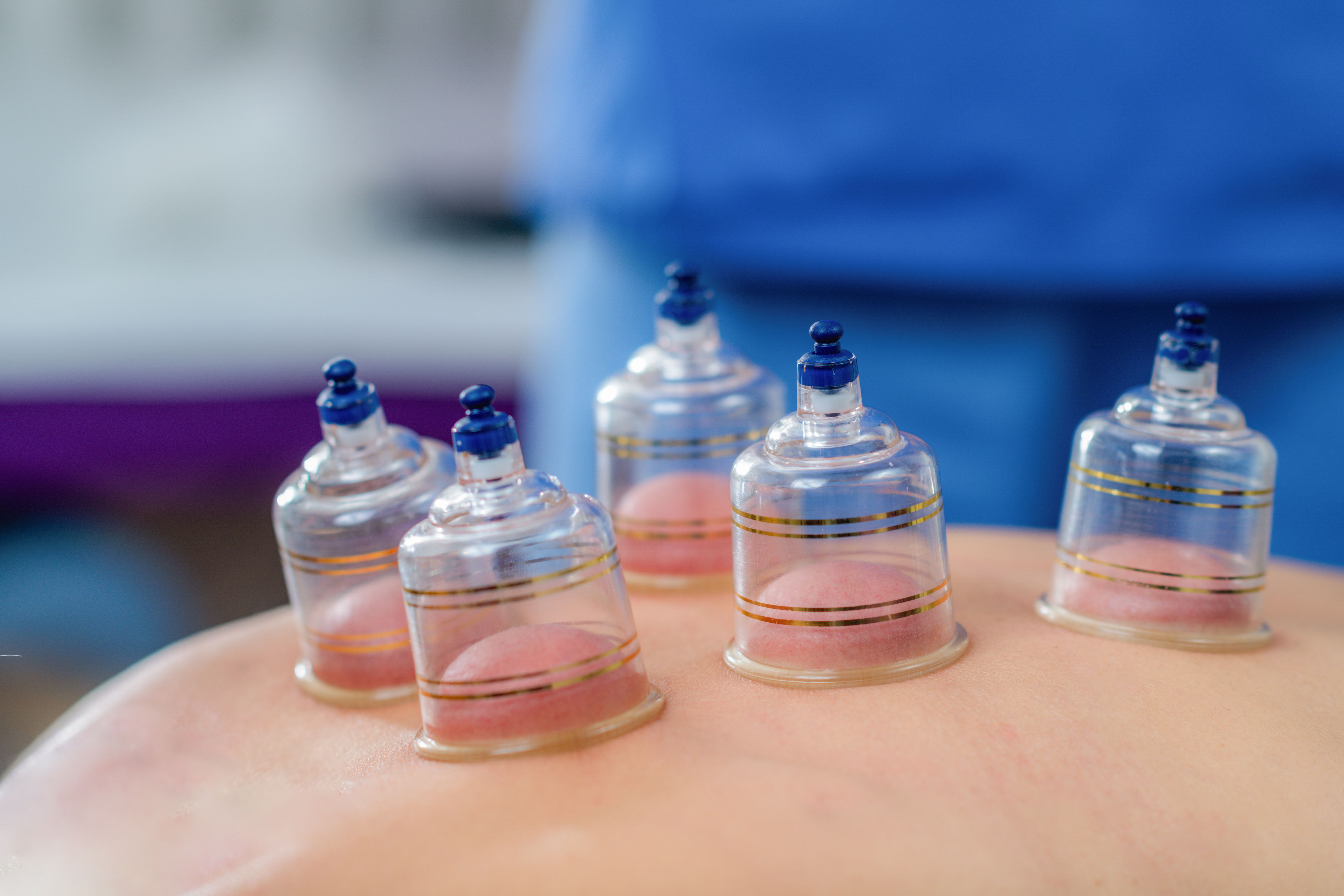
Despite its recent surge in popularity, cupping is far from a new trend. This therapy has been practiced for thousands of years in various cultures, including Chinese, Egyptian, and Middle Eastern traditions. Its longevity speaks to its effectiveness and the trust it has garnered over centuries.
Modern cupping therapy has evolved, incorporating new techniques and tools, but its core principles remain rooted in ancient wisdom. This blend of tradition and innovation is what makes cupping therapy both unique and timeless.
The Science Behind Cupping
Beyond the myths, it's important to understand the scientific aspects of cupping therapy. While more research is needed, some studies suggest that cupping can help reduce inflammation, improve blood flow, and promote relaxation. These potential benefits contribute to its popularity as a complementary therapy.
If you're interested in trying cupping therapy, it's crucial to consult with a trained professional. They can provide guidance and ensure the therapy is safe and effective for your specific needs.
Conclusion
Cupping therapy is a fascinating practice with deep historical roots and numerous potential benefits. By debunking these common myths, we hope to provide a clearer understanding of what cupping therapy truly entails. Whether you're a seasoned enthusiast or a curious newcomer, cupping offers a unique path to wellness worth exploring.